
RETIRE IN
PHILIPPINES.
English-speaking, island-dotted, and welcoming, with one of the easiest retirement visas anywhere.
Find my personal matches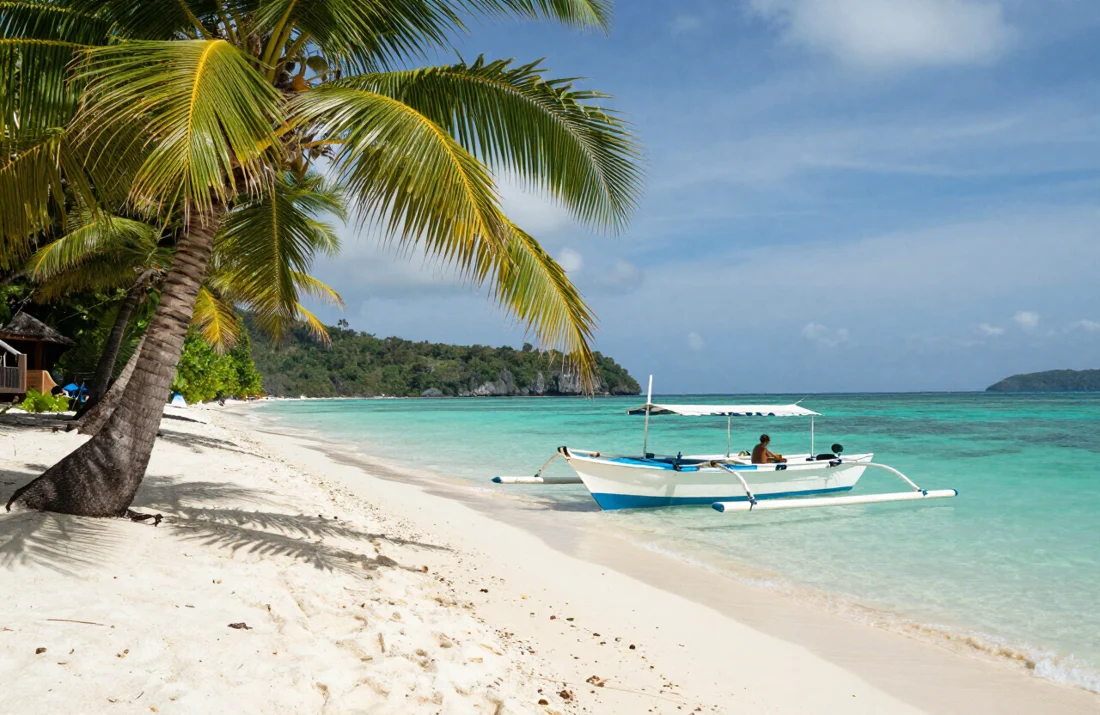
What retirement in Philippines can look like
The Philippines can be appealing for retirees who value everyday English, warm weather, and a choice of large cities, smaller provincial centers, and islands. Cebu is a regional hub, Dumaguete is a smaller university city with an established foreign-resident community, and Manila offers the country’s widest service network at the cost of congestion and higher housing pressure.
Island geography shapes almost every practical decision. Flights, ferries, storms, power reliability, internet quality, and the location of advanced healthcare matter as much as rent. The best beach for a holiday may be the wrong base for someone who needs frequent specialist care or dependable onward travel.
Who may like it
- English-speaking retirees who want a lower language barrier in daily transactions.
- People who prefer an established residence program and can meet its deposit, document, and fee requirements.
- Retirees happy to trade some infrastructure consistency for island access and a social, service-oriented culture.
Tradeoffs to investigate
- Typhoons, flooding, heat, and power interruptions require location-specific preparation.
- Advanced medical care is concentrated in Metro Manila and major regional cities.
- Inter-island travel can add time and cost to healthcare, family visits, and ordinary administration.
How much could retirement in Philippines cost?
Our comfortable-lifestyle planning range is $1,200–$1,800 per month for one person. These are transparent model outputs for comparison, not scraped listings, live market quotes, or a promise that every city fits the range.
| Lifestyle | One person | Two people |
|---|---|---|
| frugal | $900–$1,350 | $1,350–$2,050 |
| comfortable | $1,200–$1,800 | $1,800–$2,700 |
| premium | $1,800–$2,700 | $2,700–$4,050 |
The range represents a general all-in lifestyle and is not an itemized rental quote. Two-person costs use a 1.5 multiplier. Housing, healthcare, travel, taxes, and city choice can change a real budget substantially. Review every assumption and limitation.
Healthcare planning
6/10A comparative research rating, not a hospital grade. Check individual providers and insurance around your own needs.
Internet reference
52.07 MbpsHistorical country mean download speed for the year ending June 2024. It does not predict a building’s Wi-Fi. Source ↗
Budget reference
$1,200–$1,800Comfortable solo model. Your calculator separately considers income, savings, household size, and lifestyle.
Places to research in Philippines
A country-level score cannot tell you which city or neighborhood will work. These starting points have materially different tradeoffs.
Metro Cebu offers major hospitals, an international airport, and access to surrounding islands. Traffic and the difference between Cebu City, Mandaue, and beach-oriented Mactan make neighborhood research essential.
Dumaguete is a smaller university city with a walkable core and ferry links. Test whether the range of specialists, flights, and social activities meets your needs before choosing it for lower-key living.
Metro Manila has the broadest selection of hospitals and international services. It is also a vast urban region where traffic can turn a short map distance into a difficult appointment, so choose around regular destinations rather than prestige addresses.
Daily life and housing
Decide how much island separation you are comfortable with. A smaller city may be relaxed and affordable, but specialist visits or international travel can require an extra flight or ferry. Build those journeys into the annual budget and keep a weather-related backup plan. In large metros, test the same routes at peak traffic.
Housing research should include water pressure, backup power, internet options, flood history, cooling costs, and distance from a hospital. Ask how the building performed during recent severe weather. Imported goods and homes marketed to foreigners can cost far more than a general local-living estimate.
Research the provider, not the reputation
Major private hospitals in Manila and Cebu provide a wider range of services than many provincial areas. Identify the hospital, emergency route, and specialists relevant to you; then ask an insurer about accreditation, direct billing, age limits, exclusions, and medical evacuation. The 6/10 comparison score is deliberately cautious and cannot evaluate an individual facility.
Affordability is not permission to stay
The Philippine Retirement Authority’s official SRRV page describes its retirement residence options, qualified applicants, required visa deposits, fees, and documents. Requirements differ by age, pension status, dependents, and category, and the authority can request more information. Use the PRA’s current page and contact details as the starting point rather than a third-party visa summary.
A practical research trip for Philippines
Use a scouting visit to test a normal week. This checklist is intentionally specific enough to produce notes you can compare later.
- 01
Stay in the exact metro area you are considering and test traffic at appointment times.
- 02
Ask the building about generators, water storage, internet providers, flooding, and storm procedures.
- 03
Price the annual cost of domestic connections before international trips or specialist visits.
- 04
Visit a hospital and pharmacy near the neighborhood and record their payment and insurance procedures.
- 05
Download the current SRRV checklist and separate refundable deposits, fees, and recurring costs in your plan.
Questions this page cannot answer for you
Does the modeled climate fit every part of Philippines?
No. The model tags tropical climate options and beach, city settings at country level. Elevation, coast, season, and neighborhood can produce a very different experience. Compare historical weather and current local conditions for the exact place and dates you are considering.
Does a high match mean I qualify for residence?
No. Affordability and residence eligibility are separate. Check official requirements for your nationality, income type, age, work plans, household, insurance, and application location. The residence rating is a broad comparison input, not legal advice or an eligibility decision.
Can this range be my final retirement budget?
No. Replace the model with actual housing, insurance, medical care, taxes, travel, transport, document, currency, and emergency-reserve research for your household. We do not forecast future prices, investment returns, tax liability, or exchange rates.
Where to continue the research
Official sources are the starting point for rules and entry conditions. We last reviewed this editorial page on October 19, 2026. If a source or factual statement has changed, email support@retirefromthewest.com with the page address and supporting link.
Find your personal shortlist.
Compare Philippines with nine other destinations, then use these guides to investigate the result.